Optimal Timing for Foundation Repairs
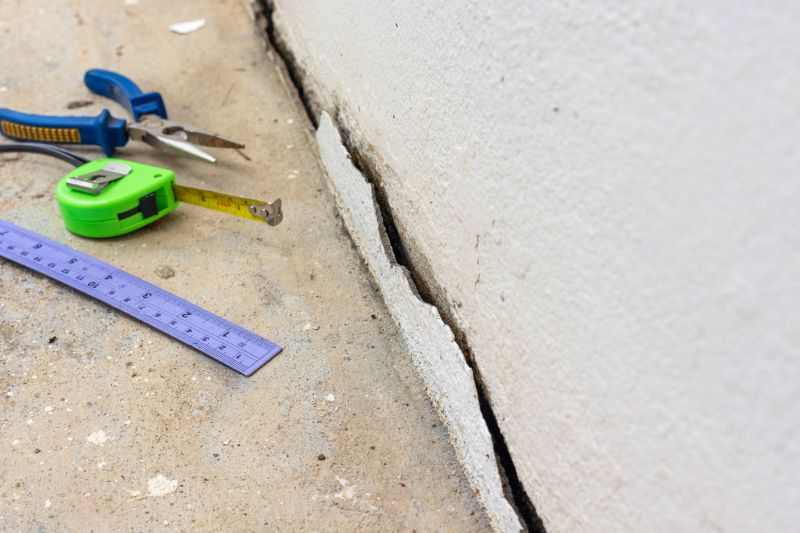
Ways to make Foundation Repairs work in tight or awkward layouts.
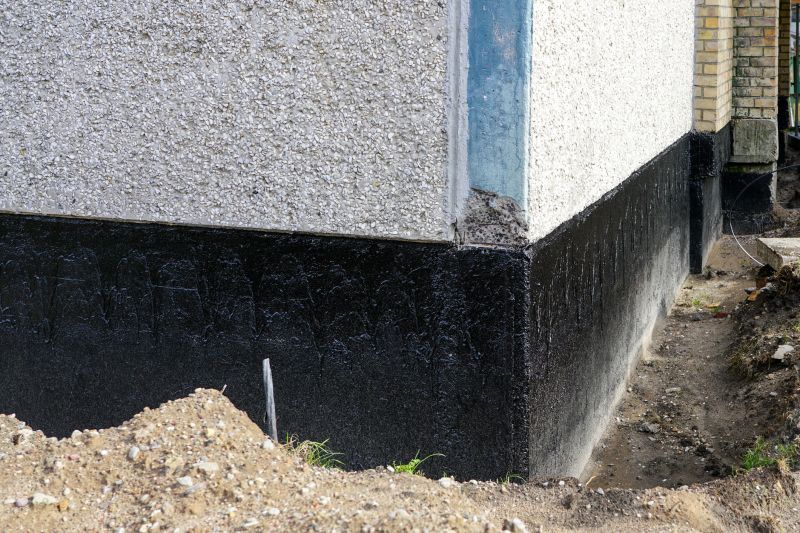
Popular materials for Foundation Repairs and why they hold up over time.
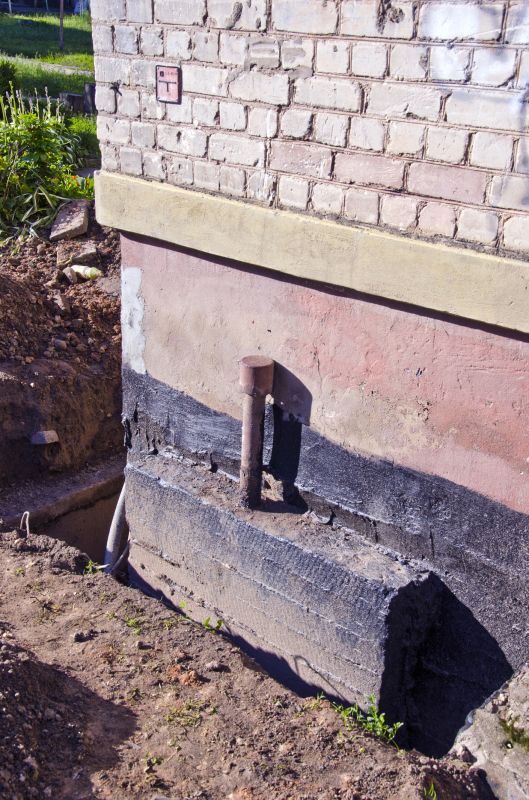
Simple add-ons that improve Foundation Repairs without blowing the budget.
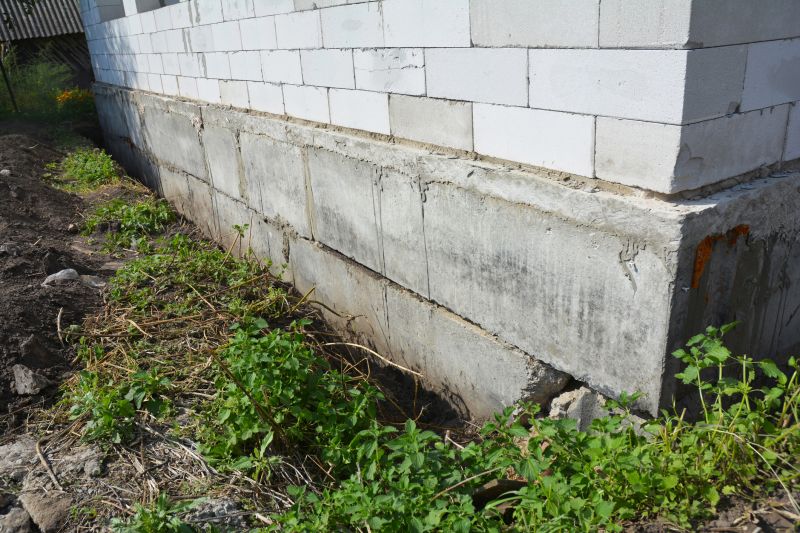
High-end options that actually feel worth it for Foundation Repairs.
Foundation repairs are essential for maintaining structural integrity and preventing further damage to a property. The timing of repairs can significantly influence their effectiveness and longevity. Understanding seasonal conditions and soil behavior is crucial for scheduling repairs at optimal times.
Spring and early summer are ideal for foundation repairs due to stable soil conditions and moderate weather, which facilitate effective repair work.
Avoiding extreme cold or heat ensures better curing of materials and reduces the risk of additional soil movement that can compromise repairs.
Timing repairs during periods of consistent soil moisture prevents shifting and settling, which are common in dry or overly wet conditions.
Planning repairs before winter or during dry spells helps minimize the impact of freeze-thaw cycles and soil contraction or expansion.
Foundation repairs are critical for ensuring the safety and stability of a structure. They involve addressing issues such as settling, cracking, and shifting caused by soil movement, moisture fluctuations, and other environmental factors. Proper timing can improve repair outcomes and extend the lifespan of the foundation.
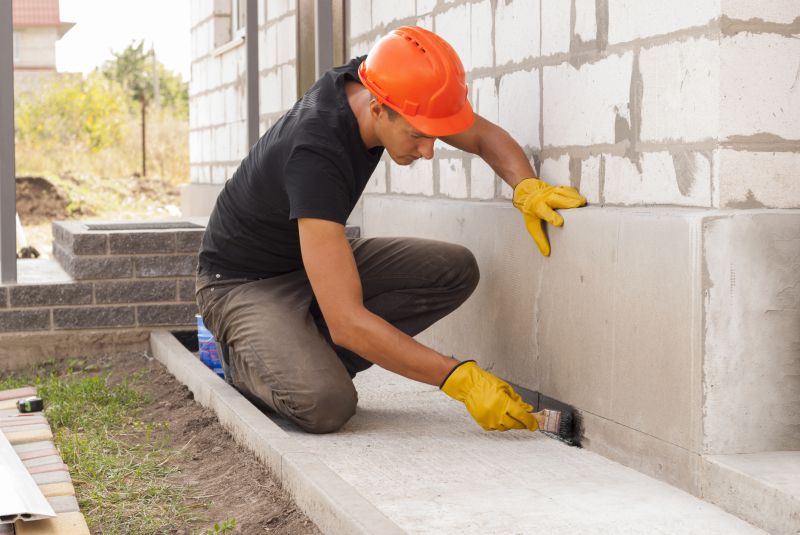
Finishes and colors that play nicely with Foundation Repairs.
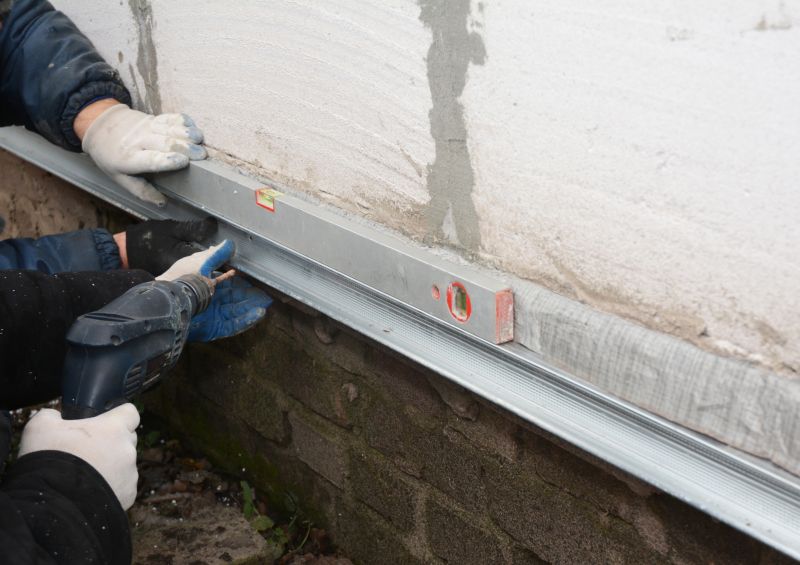
Little measurements that prevent headaches on Foundation Repairs day.
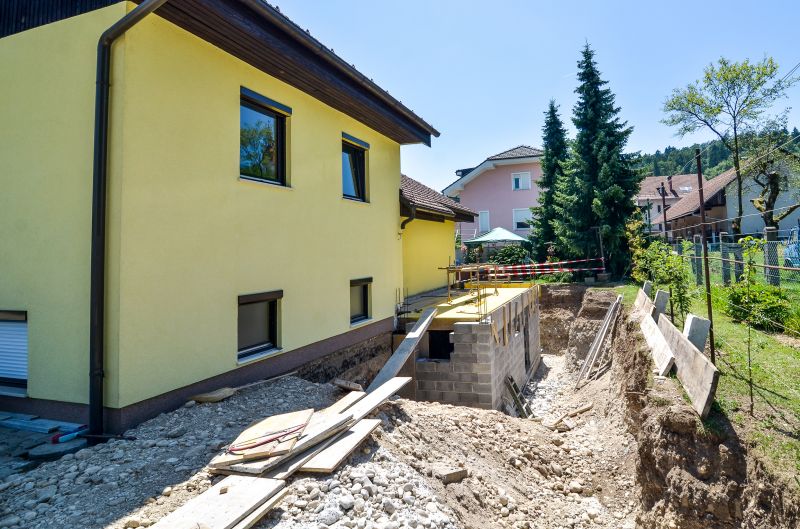
A 60-second routine that keeps Foundation Repairs looking new.
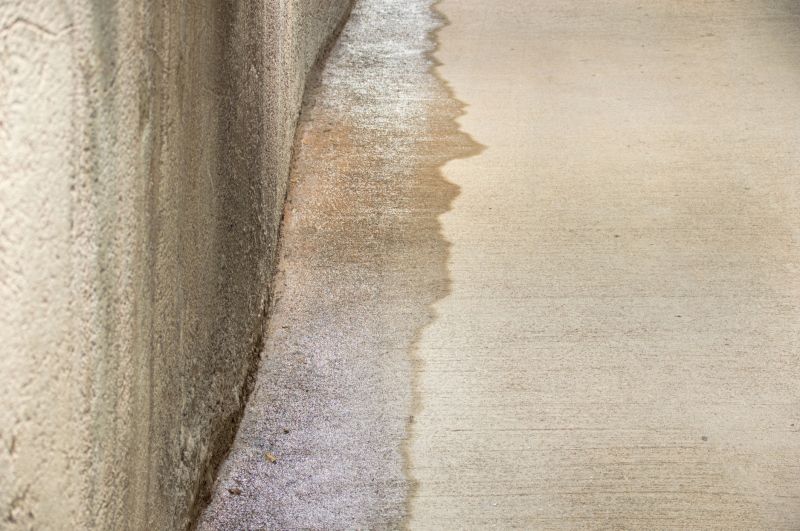
A frequent mistake in Foundation Repairs and how to dodge it.
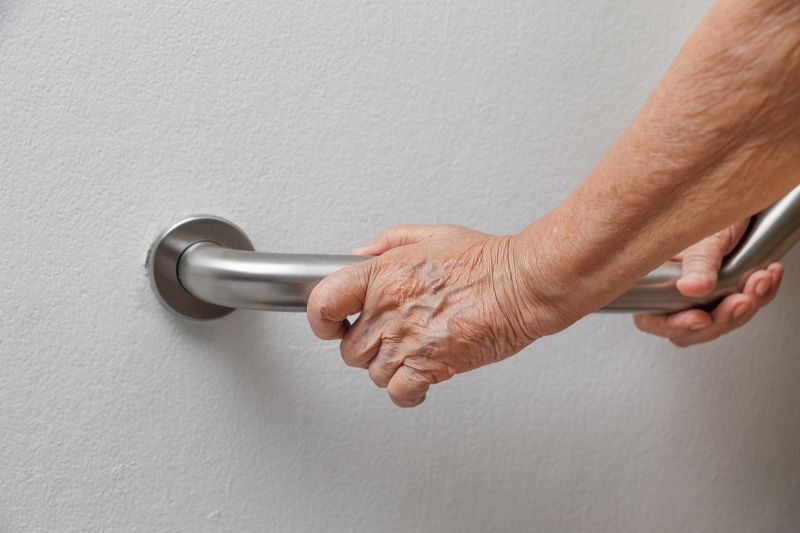
Small tweaks to make Foundation Repairs safer and easier to use.
| Season | Recommended Timing |
|---|---|
| Spring | Ideal for most repairs due to moderate weather and soil conditions. |
| Summer | Suitable if soil moisture is consistent; avoid peak heat. |
| Fall | Good before winter, allowing repairs to settle before freeze. |
| Winter | Generally not recommended due to frozen ground and limited access. |
| Dry spells | Optimal during periods of stable soil moisture, avoiding droughts or heavy rains. |